
For decades, the brain was considered the master of the body—a command center sealed off from the rest of our internal systems. But recent discoveries have revealed a surprising truth: the brain is in constant conversation with the gut. This bidirectional communication, known as the gut-brain axis, is reshaping how scientists understand everything from digestion to depression.
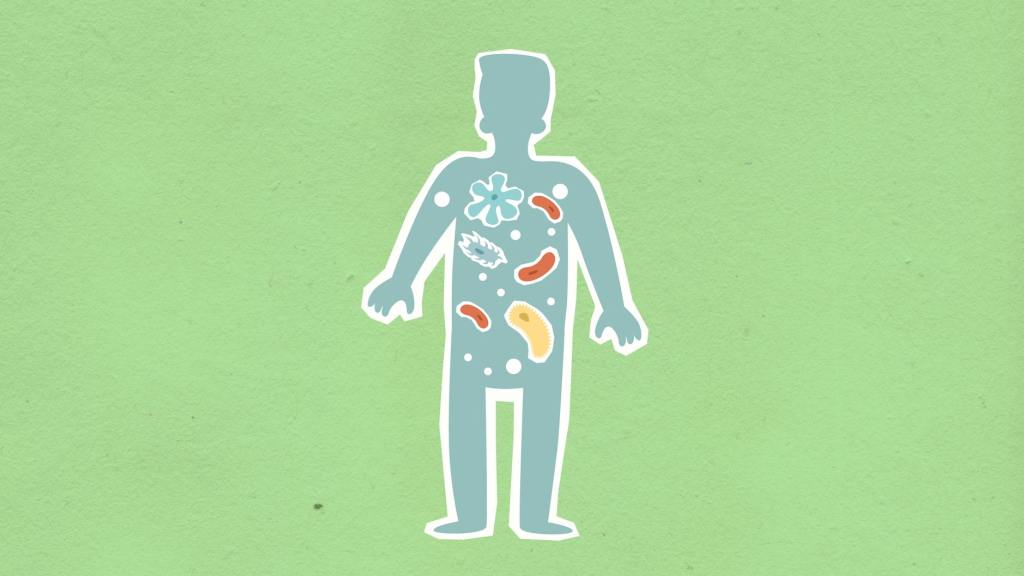
At the center of this connection is the gut microbiome—a complex ecosystem of trillions of bacteria, viruses, and other microorganisms living in our digestive tract. These microbes do more than aid digestion; they produce neurotransmitters, modulate inflammation, and influence the nervous system. Interdisciplinary studies have shown that changes in the gut microbiome can directly affect brain function, mood, and behavior.
One of the most striking examples is the role of gut bacteria in mental health. Research has found correlations between microbial imbalances and conditions such as anxiety, depression, and even autism spectrum disorder. Certain strains of bacteria can produce gamma-aminobutyric acid (GABA), serotonin, and dopamine—chemicals central to regulating mood and cognition. In fact, nearly 90% of the body’s serotonin is produced in the gut.
This discovery has led to a new class of research on psychobiotics—probiotics and prebiotics that may improve mental health by altering the gut microbiota. Clinical trials have shown promising results: participants taking specific probiotic strains reported lower levels of stress, improved sleep, and reduced symptoms of anxiety and depression. While more research is needed, psychobiotics may one day be used as a complementary treatment for mental health disorders.
The gut-brain connection also has implications for neurodegenerative diseases. In Alzheimer’s and Parkinson’s disease, scientists have found evidence of microbial involvement. For example, certain bacterial toxins can trigger inflammation in the brain or damage the blood-brain barrier, potentially accelerating cognitive decline. Studies using mice have shown that altering the gut microbiome can reduce disease-related symptoms, sparking interest in microbiome-targeted therapies.
Nutrition is another critical component. Diets rich in fiber, fermented foods, and plant-based nutrients support a healthy microbiome, while processed foods and antibiotics can disrupt it. Nutritional neuroscience is now exploring how personalized diets could optimize brain health through microbiome modulation.
Despite its promise, the gut-brain axis remains a complex frontier. Interdisciplinary collaboration among microbiologists, neurologists, psychiatrists, and nutritionists is essential to unraveling its mechanisms. Challenges include individual variability in microbiome composition, difficulty establishing causation, and the need for standardized clinical protocols.
Still, the potential of this research is transformative. By understanding how the gut influences the brain, scientists are opening new paths to prevent and treat conditions that were once thought to originate solely in the mind. The gut-brain axis reminds us that in biology, everything is connected—and that sometimes, the key to mental clarity may start in the stomach.
 The STEMisphere Journal
Leave a comment