
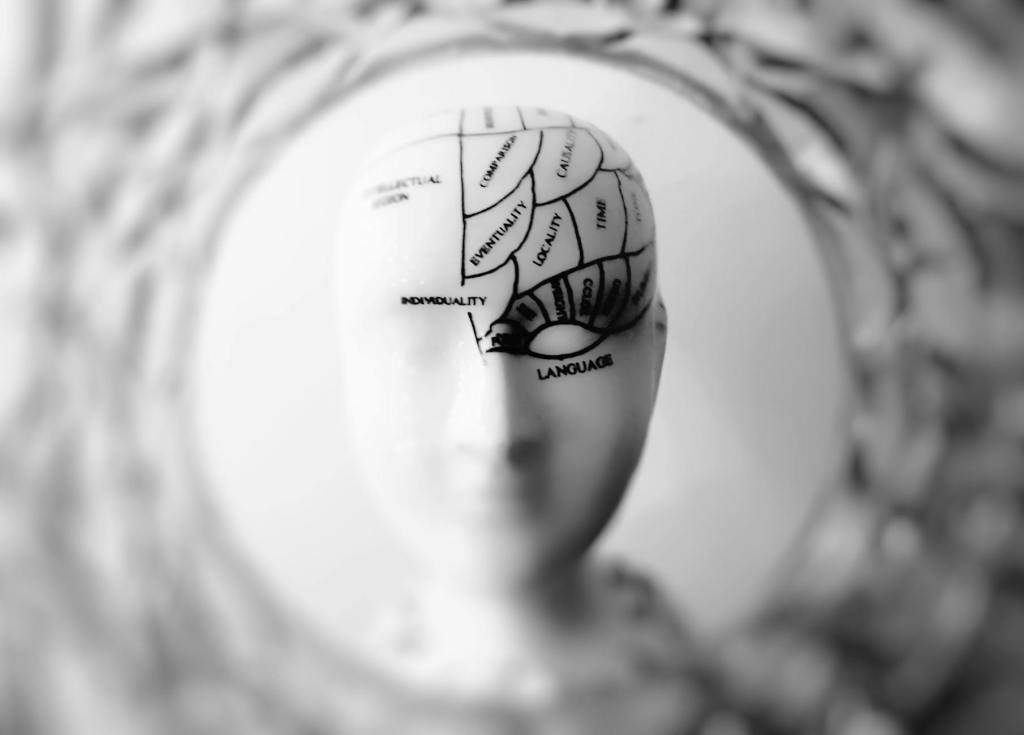
Imagine typing a message, playing a video game, or controlling a robotic arm—using only your thoughts. What once seemed like science fiction is rapidly becoming reality through the field of brain-computer interfaces (BCIs), a groundbreaking area of interdisciplinary STEM research. By bridging neuroscience, computer science, biomedical engineering, and data analytics, BCI technologies are reshaping how humans interact with machines—and how we understand the brain itself.
At the heart of BCI research is a deceptively simple question: Can brain activity be translated into commands for external devices? The answer lies in decoding neural signals—tiny electrical impulses generated by neurons firing in the brain. Neuroscientists use technologies such as electroencephalography (EEG), magnetoencephalography (MEG), or implanted electrodes to record these signals in real time. These signals are then processed by computer algorithms, trained to detect specific patterns linked to a user’s intent.
This is where computer science and engineering come into play. Machine learning models are used to classify and predict brain signal patterns, translating raw data into meaningful actions. For instance, when a user imagines moving their right hand, a trained BCI system can recognize this signal and send a command to move a robotic limb or control a cursor. Biomedical engineers then design and optimize the hardware that allows these signals to be collected noninvasively, safely, and with minimal interference.
The implications of BCI technology are far-reaching. In medicine, BCIs offer hope to individuals with severe motor impairments due to stroke, spinal cord injury, or neurodegenerative disease. Researchers have already demonstrated systems that allow paralyzed patients to control wheelchairs or communicate through brain-controlled typing interfaces. In 2021, a man with ALS used a BCI implant to “speak” by selecting letters on a virtual keyboard—despite being completely locked-in.
Beyond healthcare, BCIs are gaining traction in consumer technology, military applications, and even gaming. Startups are exploring the use of BCIs for enhancing focus, meditation, or virtual reality experiences. Meanwhile, ethical discussions—often led by interdisciplinary teams of scientists, ethicists, and policy experts—are raising critical questions about data privacy, cognitive freedom, and neuroenhancement.
The future of BCIs will depend on continued collaboration across disciplines. Advancements in neuroscience are needed to better understand how intentions and memories are encoded in the brain. Improved algorithms from computer science and AI will make signal decoding more accurate and responsive. Engineering innovations will shrink device size and improve long-term biocompatibility. Together, these developments could one day make seamless brain-computer communication a part of daily life.
Ultimately, brain-computer interfaces embody the best of interdisciplinary STEM research: tackling a bold, complex challenge by integrating tools, knowledge, and creativity from across scientific domains. As the boundaries between biology and technology continue to blur, BCIs offer a glimpse into a future where the mind is not only studied—but also empowered.
 The STEMisphere Journal
Leave a comment